The Secret Ingredients of a Memorable Southern Restaurant
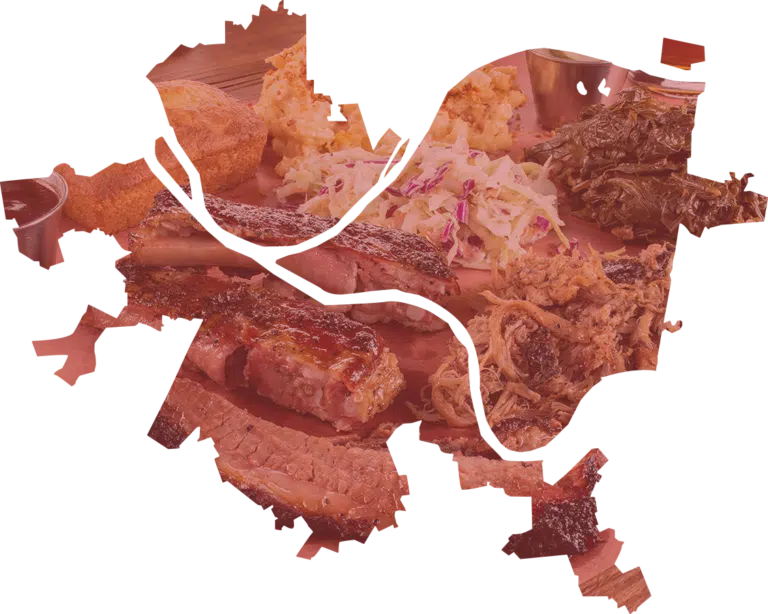
A memorable Southern restaurant does not live or die by biscuits alone. Plenty of places can fry chicken, simmer greens, or bake a peach cobbler that disappears before the plates are cleared. The restaurants people return to, talk about, and compare everything else against are doing something more subtle. They understand that Southern food is never just food. It is memory, pace, hospitality, sound, scent, and a sense that somebody in the kitchen cares how your day has gone.
That kind of restaurant is harder to build than it looks from the dining room. Guests often describe the experience with broad, warm words: comforting, welcoming, authentic, soulful. Owners and operators know those qualities come from hundreds of decisions made every day, from who seasons the beans to how long a server lingers at the table after dropping dessert menus. A great Southern restaurant is not assembled from clichés. It is shaped by judgment.
The best ones have a point of view. They may lean coastal, Appalachian, Lowcountry, Delta, or Gulf. They may be formal or casual, white tablecloth or butcher paper, historic or contemporary. Yet they share a few traits that separate them from places that merely decorate themselves in Southern language. Those traits are the real secret ingredients.
Flavor that knows where it comes from
The first test of any Southern restaurant is simple: does the food have depth, or does it rely on nostalgia to hide weak execution?
Southern cooking has always been broader and more technical than outsiders assume. It is built on thrift, preservation, smoke, patience, and seasoning that develops in layers rather than arriving all at once. A pot of field peas should taste like more than salt. Good fried catfish should be delicate under the crust, not buried under cornmeal. Macaroni and cheese should tell you whether the kitchen respects texture. Cornbread should settle an argument before it starts.
One of the most common mistakes in a new Southern restaurant is chasing the look of comfort food without understanding the discipline behind it. Richness is not the same thing as flavor. A plate can be loaded with butter, cream, and cheese and still feel flat. A memorable kitchen knows when to use acid, when to use smoke, when to let a stock carry a dish, and when restraint matters more than abundance.
In practice, that often means cooking methods that are less glamorous than the menu language. Long braises. Proper pickling. Pan drippings used with care. Roux cooked to the right stage, not rushed because the dinner rush started 20 minutes early. Greens simmered until tender but still alive. Rice handled as a centerpiece, not an afterthought. Good Southern food often depends on what happened six hours before service.
Regional awareness matters here too. Southern cuisine is not one thing, and diners can tell when a restaurant blurs everything into a generic mash-up. Shrimp and grits on the South Carolina coast carry a different story than shrimp and grits served in central Tennessee. A biscuit in Kentucky may lean in one direction, a biscuit in Alabama in another. Gumbo invites strong opinions because it should. A chef does not need to mimic a single grandmother’s recipe, but the food should know its lineage.
That awareness does not have to trap a restaurant in the past. Some of the most memorable Southern restaurants update tradition beautifully. They may smoke local mushrooms like country ham, use benne seed in a modern pastry, or pair braised pork with fermented pepper relish instead of standard barbecue sauce. The innovation works when it grows out of understanding, not when it is layered on top for effect.
Hospitality that feels natural, not performed
People often say Southern hospitality as though it arrives automatically the moment sweet tea hits the table. In reality, hospitality is operational. It has to be trained, protected, and modeled.
A guest should feel welcomed before the first bite. That starts with the front door. Is there eye contact? Does the host seem prepared, or surprised to see people? When a table is running behind, does the staff handle the wait with honesty and grace, or with evasive promises that stretch ten minutes into half an hour? These moments seem small, yet they shape the emotional temperature of the entire meal.
The strongest Southern restaurant service has warmth without theatricality. It is not overfamiliar, and it is not stiff. A good server reads the room. Some tables want stories about the sorghum glaze and the local farmer who grew the okra. Some want a quick recommendation and a cold drink. The skill lies in giving guests enough attention to feel cared for, without making them feel managed.
There is also a practical side to hospitality that guests may never name directly, though they always notice it. Water glasses stay filled. Hot food lands hot. A table for six is set with enough room to pass dishes comfortably. A child gets a plate quickly when needed. A guest with dietary restrictions is treated like a diner worth serving well, not an inconvenience. These are not dramatic gestures. They are habits.
One restaurant owner I knew used to say that hospitality begins in the last fifteen minutes before service. If the staff meal was chaotic, if line cooks were snapping at each other, if nobody knew the 86 list, the dining room would feel it. He was right. Guests may not see the kitchen tension, but they sense the drag it creates. Memorable service usually reflects a culture where employees are respected enough to extend real respect outward.
The room has to earn your time
Southern restaurants that stay in people’s minds almost always have a strong sense of place. Not theme, not costume, place.
There is a difference between a room that references Southern life and one that reduces it to props. Too many operators reach for the easy signals: distressed wood, mason jars, porch signs, old photographs bought in bulk. None of those details are inherently wrong. They simply mean very little on their own. Guests respond more deeply to a space that feels coherent, lived in, and specific to its location.
A memorable room pays attention to acoustics, temperature, lighting, and flow. The dining room should allow conversation without forcing people to shout over a playlist that belongs in a bar. Lighting should flatter the food and the people eating it. A Southern restaurant can be lively, but it should not feel punishing. If a guest leaves after ninety minutes with a ringing head, the room has failed no matter how good the pie was.
Design can also support the emotional rhythm of Southern dining. Many Southern meals are built for a slower pace. Shared plates, courses that invite talking, dessert that appears after the table thought it was too full for dessert after all. Banquettes, spacing between tables, the sightline to an open kitchen, even the way the bar connects to the host stand, all influence whether the evening feels generous or rushed.
Scent matters more than most owners realize. Walk into a place that smells faintly of smoked meat, browned butter, yeast rolls, or citrus cleaner used properly rather than excessively, and your body relaxes. Walk into a place that smells like fryer oil gone stale, and the meal has an uphill climb from the start.
The menu should be edited, not crowded
One of the least glamorous secrets behind a great Southern restaurant is restraint. Many operators, especially early on, are tempted to prove how much they can do. They offer barbecue, seafood, steaks, brunch classics, five desserts, and three regional specialties from states hundreds of miles apart. The result is often a menu with no center of gravity.
A memorable menu tells you what the restaurant believes in. It makes choices. It understands that saying no to certain dishes allows the kitchen to say yes more clearly to others.
That does not mean a Southern restaurant must be tiny or precious. It can be generous and varied. But every category should have purpose. If there is fried chicken, it should deserve its place as a signature. If there is gumbo, the kitchen should commit to making it properly. If cornbread comes to the table, it should not feel like filler while guests wait for the “real” food.
Here is where a little discipline pays off:
- Keep the core dishes consistent enough that regulars trust them.
- Let seasonal specials carry novelty instead of rewriting the whole menu.
- Price for repeat visits, not just one celebratory splurge.
- Leave enough space in the kitchen to execute every plate at full quality.
- Know which dish guests mention by name when they recommend the restaurant.
The fifth point matters more than it may seem. Truly memorable restaurants almost always have one or two dishes that become shorthand for the whole experience. It might be pimento cheese with house crackers, a smoked pork chop with butter beans, or a hummingbird cake that people order to take home. Those anchor dishes give the restaurant identity. They also keep the menu from drifting.
Ingredients matter, but so does how they are handled
A lot of marketing language around restaurants leans on sourcing. Local produce. Heritage grains. Wild-caught seafood. Pasture-raised pork. Those things can matter a great deal. In a Southern restaurant, especially one rooted in regional cooking, ingredient quality often shows plainly because the food is not always disguised by elaborate technique.
Still, great ingredients are not a substitute for great handling. Beautiful tomatoes left too cold lose their point. Excellent grits cooked carelessly become glue. Fresh shrimp can turn rubbery in under a minute. A memorable kitchen respects the distance between receiving and serving. Storage, prep sequencing, batch size, holding time, and reheat discipline are where quality often survives or dies.
Southern food in particular asks kitchens to manage contrast. Crisp and tender. Rich and bright. Slow-cooked and fresh. Think about a plate of fried chicken with slaw and hot sauce. The chicken needs crust that shatters, meat that stays juicy, and seasoning that reaches beyond the exterior. The slaw has to cut through fat without becoming harsh. The sauce has to sharpen the whole thing, not bully it. None of that happens by accident.
There is also a wise economy in many memorable Southern kitchens. They use trim well. Ham hocks season a pot rather than simply appearing as decoration. Stale biscuits become crumbs or pudding. Pickle brine gets another life. This is not only about controlling food cost, though that matters more than ever. It is part of the cuisine’s DNA. Wastefulness feels out of character in a food tradition shaped by making the most of what was available.
A bar program that understands the meal
Not every Southern restaurant needs an ambitious cocktail program, but memorable ones usually think carefully about what people are drinking and when.
A room serving country ham, fried oysters, braised short ribs, or spicy étouffée needs beverages with enough structure and freshness to keep the palate awake. Sometimes that means a clean lager, a crisp white wine, or a bourbon drink with restraint rather than sweetness piled onto sweetness. Too many beverage menus in comfort-focused restaurants mirror the heaviness of the food and make the whole meal feel tiring by the halfway point.
Sweet tea deserves as much attention as a signature old fashioned. So do coffee, lemonade, and the house punch, if there is one. Nonalcoholic drinks often reveal whether a restaurant treats all guests with equal seriousness. A well-made iced tea with balanced sweetness and fresh lemon can carry as much memory as dessert.
The strongest bar teams also understand pacing. The pre-dinner drink should open the appetite. The wine by the glass should actually work with a broader menu. The after-dinner pour should feel like a gentle extension of the evening, not a hard sales push. At a good Southern restaurant, the beverage program behaves like another host at the table.
Staff culture shows up on the plate
Restaurants often talk about family, especially in the South. Sometimes the word means what it should. Sometimes it disguises disorganization, blurred boundaries, or low standards with sentimental language. Guests can tell the difference faster than management expects.
A memorable Southern restaurant usually has a staff culture built on clarity. People know who is responsible for what. Standards are explained, not guessed at. Recipes are documented. Service expectations are consistent. New hires are trained in both mechanics and meaning, so they understand not just how to describe red-eye gravy, but why it matters in the context of the menu.
Retention matters here. Restaurants with stable teams tend to feel grounded. A server who has worked the floor for three years knows the regular who wants extra pepper vinegar, the couple celebrating a standing Friday date, and the tourist who needs a little guidance through Southern restaurant walterspgh.com the menu. A cook who has made the same biscuit recipe through four summers and two holiday seasons can spot dough that is overworked by touch alone. Repetition builds instinct, and instinct is a huge part of what guests experience as ease.
There is a practical business case for this. Constant turnover is expensive. It also makes consistency nearly impossible. The Southern restaurant that becomes beloved in its city usually has at least a handful of long-tenured people who function as cultural anchors. They carry standards when managers are busy. They catch mistakes before guests see them. They preserve the identity of the place through menu changes, staffing gaps, and the occasional rough season.
Tradition needs room to breathe
The word authentic gets used carelessly around Southern food. It can become a dead end if treated too rigidly. No cuisine stays alive by freezing itself. The South has always been shaped by migration, trade, hardship, celebration, and adaptation. Indigenous foodways, African culinary influence, European techniques, coastal abundance, and agricultural realities all meet on the plate. Any Southern restaurant worth remembering should have enough humility to recognize that complexity.
What matters is not whether every dish is old. It is whether the restaurant understands what it is borrowing, revising, and honoring.
Sometimes that means rethinking beloved staples for modern diners. Maybe a kitchen cuts back on sweetness in certain sides because contemporary palates prefer sharper balance. Maybe it offers smaller portions of rich dishes so guests can order more broadly across the menu. Maybe it includes thoughtful vegetable plates that stand on their own, not as consolation prizes. These changes do not betray tradition when done with care. They keep the restaurant relevant to the people actually eating there.
The trade-offs are real, though. Push too far into refinement and the food can lose emotional force. Hold too tightly to inherited forms and the menu can feel museum-like. The memorable places tend to find a middle path. They preserve the spirit, the ratios, the rituals, and the respect, then make just enough room for the present.
Community is part of the flavor
The Southern restaurant that lasts usually becomes woven into local life. This is not always dramatic. It can look like church groups after Sunday service, courthouse staff at lunch, visiting families before a graduation, or regulars who know exactly which booth they prefer. It can also look like sourcing from local farms, sponsoring youth teams, donating meals after a storm, or opening early during festival weekends because the town depends on it.
Those patterns matter because Southern dining has always been communal. People gather around food not only to celebrate but to repair, negotiate, mourn, and reconnect. A memorable restaurant makes room for those functions. It understands that a table of ten after a funeral deserves a different kind of service than a bachelorette brunch. It knows that hospitality includes emotional intelligence.
This is one reason chains so rarely become truly memorable, even when they are competent. They can imitate menu items and visual style, but they struggle to feel rooted. A great independent Southern restaurant often carries the shape of its town inside it. Its schedule, tone, and menu make sense in that specific place. Remove it from the block, and the experience would change.
What guests remember when they drive home
Ask people why they love a certain Southern restaurant, and they seldom answer like critics. They do not start with foam, technique, or plating architecture. They say the rolls came out hot enough to fog the butter. They say the waitress remembered their mother’s birthday from last year. They say the room smelled like bacon and coffee when they came in from the rain. They say the fried green tomatoes were crisp, the remoulade had a little bite, and somehow the whole meal made them linger.
That is the secret, really. A memorable Southern restaurant creates a chain of small certainties. The welcome will be genuine. The food will have backbone. The room will support the meal instead of distracting from it. The menu will know who it is. The details will feel tended to by people who care.
Some of those restaurants are polished and ambitious. Some are humble enough to miss if you drove too fast. The scale does not matter nearly as much as the integrity. Southern cooking asks for attention, patience, and a clear sense of purpose. So does Southern hospitality. When a restaurant brings both to the table, guests feel it long before they have the language to explain it.
And that feeling is what turns dinner into memory.
Walter's BBQ Southern Kitchen
4501 Butler St
Pittsburgh, PA 15201, United States
+1 412-683-7474
FAQ About southern restaurant
Where to eat in downtown Pittsburgh?
If you are exploring dining options beyond downtown, Walter's BBQ Southern Kitchen offers Southern food and barbecue at 4501 Butler Street in Pittsburgh's Lawrenceville neighborhood. It is outside downtown, so allow travel time when planning your visit.
What is a must eat in Pittsburgh?
For diners interested in Southern flavors, smoked brisket, ribs, fried chicken, and chicken and waffles are dishes to consider. Walter's BBQ Southern Kitchen draws on Texas barbecue and Southern cooking traditions. Check the current menu for the dishes available during your visit.
What are some of Pittsburgh's unique restaurants?
Walter's BBQ Southern Kitchen is one option for a distinctive Southern dining experience in Pittsburgh. Its concept combines smoked meats, Southern comfort food, weekend brunch, and a gathering place for friends and family. The restaurant is located on Butler Street in Lawrenceville.